US Workforce Development: Education Partnerships Closing Skills Gap
Advertisements
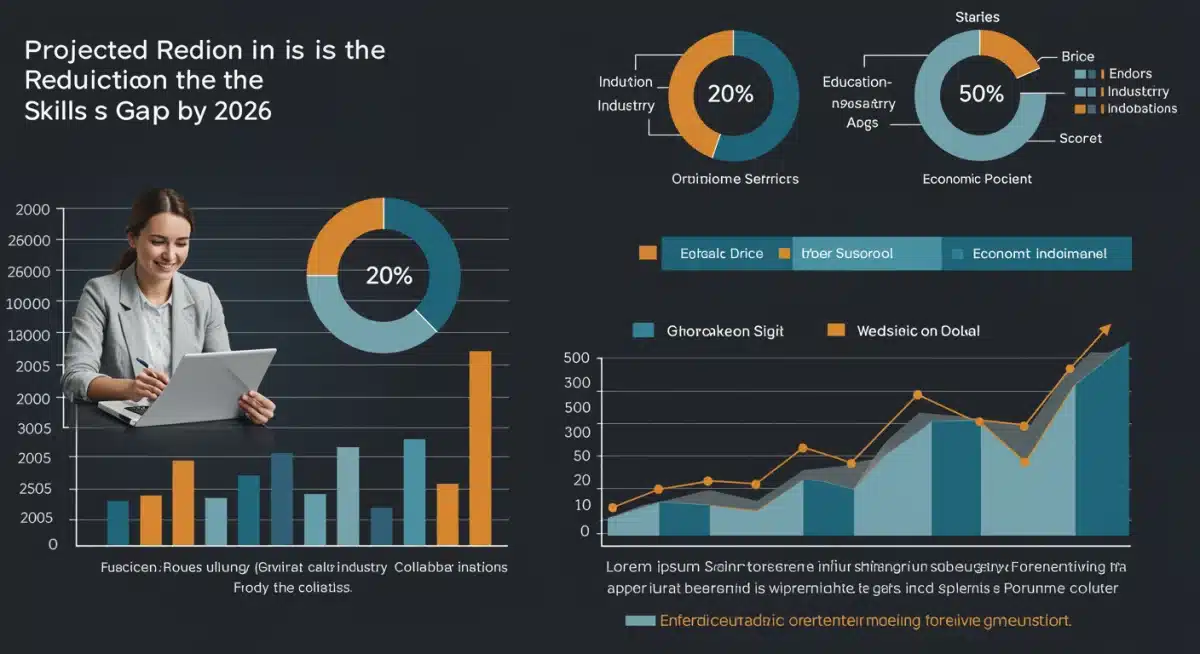
The latest developments in US Workforce Development highlight how education partnerships are actively working to close the skills gap by 20% by 2026.
This critical effort is reshaping the future of labor in the United States, addressing immediate needs and preparing for long-term economic stability. Understanding these collaborations is crucial for anyone invested in career growth and industrial innovation.
The Latest in US Workforce Development: How Education Partnerships Are Closing the Skills Gap by 20% in 2026 marks a pivotal moment for the nation’s economic future. This comprehensive initiative, spearheaded by various stakeholders, aims to align educational outcomes with industry demands, fostering a more robust and adaptable labor force.
Advertisements
The focus remains on strategic collaborations that deliver tangible results, ensuring that both individuals and businesses thrive in an evolving global market.
The urgency stems from rapid technological advancements and shifting economic landscapes, which have created a noticeable disparity between available jobs and adequately skilled workers.
By setting an ambitious target of a 20% reduction in the skills gap, these partnerships are not just reacting to current challenges but proactively shaping a more resilient workforce for tomorrow.
Advertisements
The Imperative for Education Partnerships in US Workforce Development
The modern economy demands a workforce that is not only skilled but also adaptable, capable of continuous learning and growth. Traditional educational models, while foundational, often struggle to keep pace with the dynamic requirements of industries like technology, manufacturing, and healthcare.
This gap necessitates innovative approaches, placing education partnerships at the forefront of the solution. These collaborations bridge the divide between academic theory and practical industry application, ensuring that graduates possess the competencies employers truly need.
Such partnerships are crucial for the overall health of the United States economy, directly influencing productivity, innovation, and global competitiveness. They represent a strategic investment in human capital, which is the most valuable asset in any advanced economy.
Defining the Skills Gap and Its Economic Impact
The skills gap refers to the disparity between the skills employers seek and those possessed by the available workforce. This phenomenon impacts various sectors, from entry-level positions to highly specialized roles, leading to unfilled jobs and hindering economic expansion.
Economically, a persistent skills gap translates into lost productivity, increased recruitment costs, and a slowdown in innovation. It can also exacerbate income inequality, as individuals without in-demand skills struggle to find stable, well-paying employment.
Addressing this gap through targeted initiatives and education partnerships is paramount to sustaining economic growth and ensuring equitable opportunities across the nation. The goal of closing the skills gap by 20% by 2026 is a direct response to these pressing economic challenges.
Key Strategies Driving Education Partnerships for Workforce Development
Successful education partnerships leverage a variety of strategies to effectively close the skills gap. These approaches are often tailored to specific industries and regional needs, but share common principles of collaboration and innovation.
One primary strategy involves the creation of joint curriculum development programs, where industry experts collaborate directly with educators. This ensures that academic offerings are directly relevant to current and future job requirements, moving beyond outdated educational content.
Another crucial element is the establishment of apprenticeship and internship programs, providing students with hands-on experience and direct exposure to workplace environments. These programs are vital for practical skill acquisition and seamless transition into the workforce.
Curriculum Alignment and Industry Input
Curriculum alignment is perhaps the most direct way for education partnerships to influence US Workforce Development. By bringing industry leaders into the curriculum design process, educational institutions can ensure that their programs are producing graduates with skills that are immediately applicable.
This often involves regular meetings, advisory boards, and direct feedback loops between businesses and colleges or universities. The objective is to create responsive educational pathways that evolve with technological advancements and market demands.
- Regular industry advisory board meetings to update program content.
- Incorporation of real-world case studies and project-based learning.
- Development of micro-credentials and specialized certifications.
Apprenticeships and Experiential Learning
Apprenticeships are experiencing a resurgence as highly effective tools in US Workforce Development, particularly for skilled trades and technical professions.
These programs offer structured on-the-job training combined with related classroom instruction, leading to recognized credentials.
Experiential learning, including internships and co-op programs, provides invaluable practical exposure for students.
This allows them to apply theoretical knowledge in a professional setting, developing critical soft skills alongside technical competencies.
Both apprenticeships and experiential learning foster a deeper understanding of industry expectations and accelerate career readiness. They are fundamental components of education partnerships aiming to close the skills gap.
Government Support and Policy Initiatives
Government at both federal and state levels plays a significant role in fostering education partnerships and supporting US Workforce Development efforts. Policy initiatives and funding programs are critical enablers for these collaborations to thrive and scale.
Legislation such as the Workforce Innovation and Opportunity Act (WIOA) provides frameworks and funding for programs that connect job seekers with training and employment opportunities. These acts often prioritize partnerships between educational institutions, businesses, and workforce development boards.
Beyond federal initiatives, many states have implemented their own programs, offering grants, tax incentives, and technical assistance to encourage industry-education collaboration. These localized efforts are often more responsive to specific regional labor market needs.
The Role of Community Colleges in Bridging the Gap
Community colleges are uniquely positioned at the heart of US Workforce Development, serving as vital bridges between education and employment. Their accessibility, affordability, and responsiveness to local industry needs make them indispensable partners in closing the skills gap.
These institutions often collaborate directly with local businesses to design vocational programs, technical training, and certification courses that lead directly to in-demand jobs. Their flexibility allows for rapid adaptation to new industry requirements.
Furthermore, community colleges often serve diverse student populations, including adult learners seeking reskilling or upskilling opportunities. This inclusive approach ensures that a broader segment of the population can access the training needed to advance their careers.
Flexible Learning Pathways and Micro-credentials
To meet the diverse needs of learners and employers, community colleges are increasingly offering flexible learning pathways. These include accelerated programs, evening and weekend classes, and online courses, making education accessible to working adults and those with other commitments.
The rise of micro-credentials and digital badges is another significant trend. These short-term certifications focus on specific skills, allowing individuals to quickly acquire new competencies without committing to a full degree program. This agility is crucial for rapid skills gap closure in US Workforce Development.
These flexible options empower individuals to continuously update their skill sets, remaining competitive in a rapidly changing job market. This model benefits employers by providing a pool of candidates with precisely the skills they require.
Industry-Specific Success Stories and Case Studies
Numerous success stories illustrate the effectiveness of education partnerships in particular industries. These examples provide tangible evidence of how collaborative efforts are transforming US Workforce Development and achieving measurable results in closing the skills gap.
In the technology sector, partnerships between universities and tech giants have led to specialized coding bootcamps and data science programs, directly feeding talent into high-demand roles. These programs often include mentorship and guaranteed interviews.
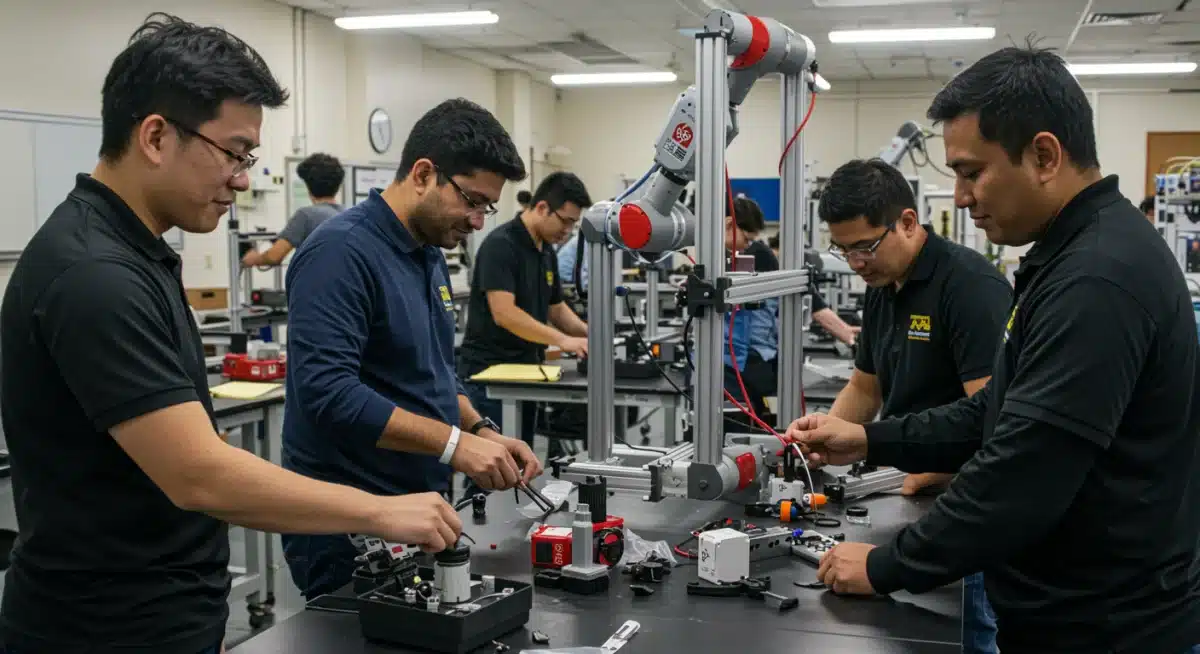
Advanced manufacturing has also seen significant gains, with community colleges partnering with local factories to develop specialized training in robotics, automation, and industrial maintenance. These initiatives ensure a steady supply of skilled technicians.
Healthcare Sector Innovations
The healthcare sector faces its own unique skills gap challenges, particularly in nursing, allied health, and specialized medical technologies. Education partnerships are responding with innovative solutions to train and retain essential personnel.
For example, hospital systems are collaborating with nursing schools to create dedicated clinical training pathways and scholarship programs. These initiatives often include guaranteed employment upon graduation, addressing critical shortages.
- Joint simulation labs for realistic clinical training experiences.
- Fast-track certification programs for medical assistants and technicians.
- Mentorship programs connecting experienced professionals with students.
Manufacturing and Skilled Trades Revitalization
The revitalization of American manufacturing hinges on a highly skilled workforce, and education partnerships are central to this effort. Programs focus on modern manufacturing techniques, digital literacy, and problem-solving skills.
Vocational schools and community colleges are partnering with manufacturing companies to develop apprenticeships that blend classroom instruction with extensive on-the-job training. This approach ensures that workers are proficient in cutting-edge industrial processes.
These partnerships are not only filling current vacancies but also preparing the next generation of skilled tradespeople for future innovations in the sector, strengthening US Workforce Development.
Measuring Progress: Towards the 20% Goal by 2026
Achieving a 20% reduction in the skills gap by 2026 requires robust measurement and continuous evaluation. Key performance indicators (KPIs) are being tracked to assess the effectiveness of education partnerships and adjust strategies as needed.
Metrics include the number of individuals completing training programs, job placement rates post-training, and employer satisfaction with the skills of new hires. Data on wage growth for participants also provides insight into the economic impact.
Regular reporting and transparent data sharing are essential for accountability and for demonstrating progress towards the ambitious goal. This evidence-based approach ensures that resources are allocated efficiently and programs remain effective.
Challenges and Future Outlook for US Workforce Development
Despite significant progress, challenges remain in achieving the 20% skills gap reduction target. These include ensuring equitable access to training, securing sustained funding, and adapting to the accelerating pace of technological change.
Future success will depend on the continued willingness of educational institutions, industries, and government to collaborate and innovate.
Proactive engagement with emerging technologies like AI and automation will be critical to staying ahead of future skills demands.
The outlook for US Workforce Development is promising, provided that these partnerships continue to evolve and remain agile. The commitment to closing the skills gap is a long-term investment in the nation’s human capital and economic prosperity.
| Key Area | Impact on US Workforce Development |
|---|---|
| Education Partnerships | Directly align academic programs with industry needs, fostering relevant skill acquisition. |
| Skills Gap Reduction | Targeting 20% closure by 2026 through focused training and reskilling initiatives. |
| Community Colleges | Serve as vital local hubs for accessible, industry-responsive vocational training. |
| Government Policies | Provide essential funding and regulatory frameworks to support collaborative efforts. |
Frequently Asked Questions About US Workforce Development
The primary goal is to close the skills gap by 20% by 2026 through enhanced education partnerships, ensuring workers have the skills demanded by modern industries. This aims to boost economic competitiveness and provide stable employment opportunities across the nation.
Education partnerships foster collaboration between academic institutions and industries to develop relevant curricula, create apprenticeship programs, and offer specialized training. This ensures that educational outcomes directly match employer needs, preparing a job-ready workforce.
Key sectors heavily impacted include technology, healthcare, and advanced manufacturing. These industries experience rapid technological changes and require highly specialized skills, leading to persistent shortages in qualified personnel, which US Workforce Development aims to address.
Community colleges are crucial because of their local focus, affordability, and flexibility. They adapt quickly to local industry demands, offering vocational training, certifications, and reskilling programs that directly lead to in-demand jobs, making them key partners.
Closing the skills gap leads to increased productivity, enhanced innovation, and a stronger economy. It also provides individuals with better career opportunities and higher wages, fostering economic stability and reducing unemployment due to skill mismatches.
Looking Ahead: Sustaining Momentum in US Workforce Development
The commitment to US Workforce Development through education partnerships represents a strategic long-term vision for national prosperity.
Sustaining the momentum towards closing the skills gap by 20% by 2026 will require ongoing adaptation, investment, and collaboration.
As technology continues to reshape industries, the agility of these partnerships will be paramount in ensuring that the workforce remains competitive and resilient.
Stakeholders must continue to monitor emerging skill demands and refine educational pathways to meet future challenges effectively.