Financial Impact in 2026: Employee Wellness Savings Up to $500 Annually

Advertisements
The latest analysis on employee wellness programs in 2026 highlights a measurable financial impact, with U.S. businesses potentially saving up to $500 annually per employee. Insights from organizations like the Centers for Disease Control and Prevention reinforce the link between workforce health initiatives and reduced long-term healthcare costs.
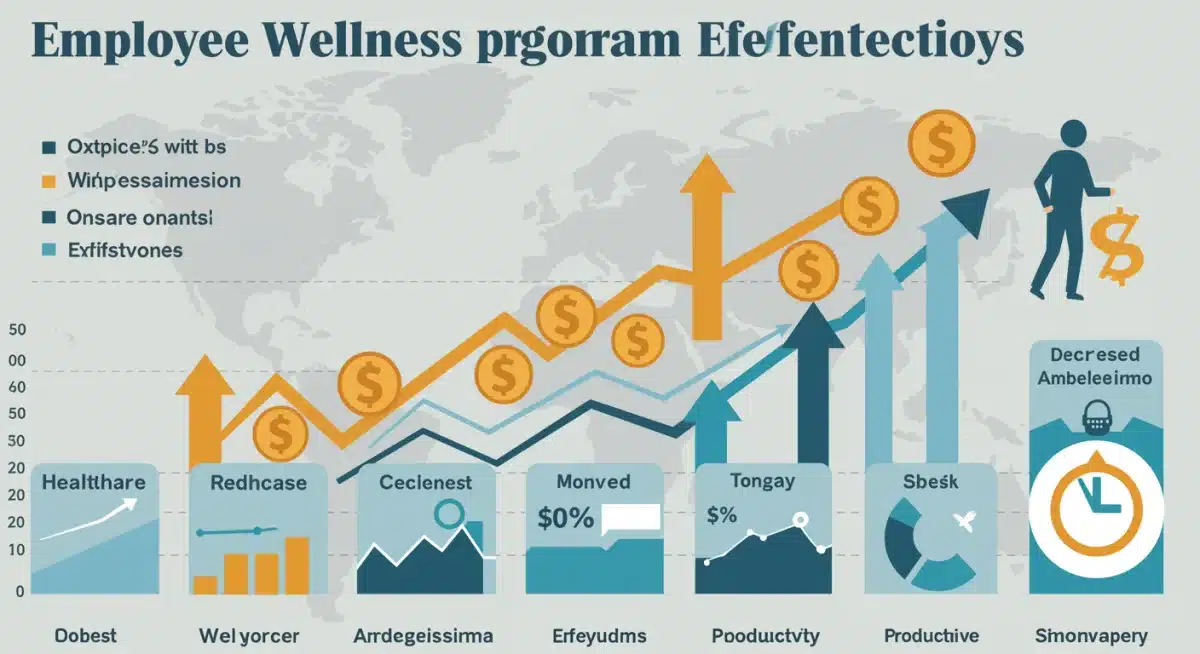
Key facts show that savings are driven by lower insurance claims, reduced absenteeism, and improved productivity. Verified data from HR and benefits analysts indicate that companies implementing structured wellness programs see higher employee engagement and retention, directly influencing overall profitability.
Looking ahead, businesses should monitor program effectiveness metrics, healthcare cost trends, and employee participation rates. As wellness strategies evolve, organizations that prioritize data-driven initiatives will be better positioned to maximize returns and maintain a competitive advantage in 2026.
Advertisements
The Direct Financial Impact of Wellness Programs
Employee wellness programs are demonstrating a tangible positive effect on company finances, primarily through reductions in healthcare expenditures and improved workforce health. These programs address root causes of health issues, leading to fewer claims and lower insurance premiums over time.
The proactive nature of wellness initiatives helps mitigate the onset or worsening of chronic conditions, which are major drivers of healthcare costs. By encouraging healthier lifestyles, employers can significantly reduce their financial burden related to employee medical care.
Advertisements
This direct correlation between wellness investment and cost reduction is a cornerstone of the projected financial impact in 2026: how leveraging your employee wellness programs can save you up to $500 annually. Companies are moving from reactive care to preventative well-being.
Reduced Healthcare Costs and Insurance Premiums
One of the most immediate financial benefits stems from a decrease in healthcare utilization and associated costs. Healthier employees require fewer doctor visits, hospitalizations, and prescription medications, directly impacting insurance claims.
Many insurance providers offer incentives or lower premiums to companies that actively promote employee wellness. This reduction in premium costs contributes directly to the overall savings anticipated for businesses.
The long-term effect of a healthier workforce translates into sustained lower healthcare expenses, solidifying the economic argument for robust wellness programs.
- Lower frequency of doctor visits and emergency room use.
- Decreased incidence of chronic disease-related medical expenses.
- Negotiated lower insurance premiums due to a healthier risk pool.
- Reduced costs associated with prescription medications.
Boosting Productivity and Reducing Absenteeism
Beyond direct healthcare savings, employee wellness programs significantly enhance productivity and reduce absenteeism, factors that often have hidden but substantial financial implications for businesses. A healthy employee is a more present and effective employee.
When employees feel supported in their health journeys, they are more engaged and motivated, leading to higher output and better quality work. This improved performance has a direct positive impact on a company’s revenue and operational efficiency.
The cumulative effect of increased productivity and reduced sick days is a key component of the significant financial impact in 2026: how leveraging your employee wellness programs can save you up to $500 annually per employee, making these programs a strategic asset.
The Economic Cost of Absenteeism and Presenteeism
Absenteeism, or employees missing work due to illness, directly translates to lost productivity and increased operational costs as other employees pick up the slack or temporary staff are hired. Wellness programs actively work to minimize these occurrences.
Presenteeism, where employees are at work but are unproductive due to illness, stress, or other health issues, can be even more costly. Wellness initiatives address these underlying problems, helping employees be fully present and effective.
By fostering a healthier workforce, companies can drastically cut down on both direct and indirect costs associated with employees not performing at their peak capacity.
- Reduced sick days and unscheduled absences.
- Improved focus and concentration, leading to higher output.
- Decreased errors and rework due to enhanced employee well-being.
- More consistent project completion and operational flow.
Enhancing Employee Retention and Engagement
Employee wellness programs are powerful tools for fostering a positive work environment, which in turn leads to higher employee retention and engagement. When employees feel valued and supported by their employer, they are more likely to stay with the company.
High turnover rates incur significant costs related to recruitment, onboarding, and training new staff. By reducing these expenses, wellness programs contribute substantially to a company’s overall financial health.
Moreover, engaged employees are more innovative, collaborative, and committed to organizational goals, further amplifying the positive financial impact in 2026: how leveraging your employee wellness programs can save you up to $500 annually. This creates a virtuous cycle of well-being and profitability.
Reducing Turnover Costs Through Wellness Initiatives
The cost of replacing an employee can range from a few months’ salary to double an annual salary, depending on the role. Wellness programs act as a preventative measure against this financial drain by improving job satisfaction and loyalty.
Employees who participate in wellness programs often report higher job satisfaction and a stronger sense of belonging. This emotional investment translates into a reduced likelihood of seeking employment elsewhere.
Investing in employee health signals a company’s commitment to its workforce, making it a more attractive place to work and reducing the need for costly recruitment efforts.
- Decreased recruitment and hiring expenses.
- Lower costs associated with training new hires.
- Preservation of institutional knowledge and team cohesion.
- Enhanced company reputation as an employer of choice.
Strategic Implementation for Maximum ROI
To fully realize the projected financial impact in 2026: how leveraging your employee wellness programs can save you up to $500 annually, strategic planning and tailored implementation are paramount. A one-size-fits-all approach is rarely effective; programs must resonate with the specific needs and demographics of the workforce.
Companies should conduct thorough needs assessments to identify prevalent health risks and employee preferences. This data-driven approach ensures that resources are allocated to programs that will yield the highest engagement and, consequently, the greatest return on investment.
Successful wellness programs are not static; they require continuous evaluation and adaptation based on feedback and outcome metrics. This iterative process ensures their ongoing relevance and effectiveness in driving financial savings.
Tailoring Programs to Employee Needs
Understanding the unique health challenges and interests of your employee population is crucial for designing impactful wellness programs. Surveys, health risk assessments, and focus groups can provide invaluable insights.
Offering a diverse range of activities—from mental health support to physical fitness challenges and nutritional guidance—increases participation rates. Personalization makes employees feel seen and catered to, boosting engagement.
Programs that address both physical and mental well-being tend to be the most comprehensive and effective, leading to broader health improvements and greater financial benefits.
- Conduct employee surveys to gauge interests and needs.
- Offer a variety of wellness options, including virtual and in-person.
- Promote accessibility for all employees, regardless of physical ability.
- Regularly solicit feedback to refine and improve offerings.
Measuring Success and Demonstrating Value
Quantifying the success of employee wellness programs is essential for demonstrating their value and securing continued investment. Companies must establish clear metrics and tracking systems to measure the return on investment (ROI).
This involves analyzing data related to healthcare claims, absenteeism rates, productivity gains, and employee satisfaction before and after program implementation. Robust data collection provides concrete evidence of the financial benefits.
Transparent reporting of these metrics helps reinforce the message that the financial impact in 2026: how leveraging your employee wellness programs can save you up to $500 annually is a measurable reality. This data also supports ongoing program improvements.
Key Performance Indicators for Wellness Programs
Tracking key performance indicators (KPIs) such as changes in health insurance claims, reductions in sick leave, and improvements in health screening results provides objective evidence of program effectiveness. These metrics directly link wellness initiatives to financial outcomes.
Employee participation rates and satisfaction surveys are also vital KPIs, as high engagement is a prerequisite for achieving significant health improvements and cost savings. Low participation often indicates a need for program adjustments.
By consistently monitoring these indicators, companies can make informed decisions about program adjustments, ensuring that their wellness investments continue to yield positive financial returns.
- Healthcare cost reductions per employee.
- Decrease in absenteeism and presenteeism rates.
- Employee participation and engagement levels.
- Improvements in employee health risk factors (e.g., blood pressure, cholesterol).

The Role of Technology in Modern Wellness Programs
Technology plays an increasingly vital role in the design, delivery, and tracking of modern employee wellness programs, making them more accessible and effective. Digital platforms and wearable devices can personalize the wellness journey for each employee.
From fitness trackers to mental health apps and online coaching, technology enables scalable and engaging wellness solutions. This broadens participation and provides valuable data for program optimization.
Leveraging technology is crucial for achieving the projected financial impact in 2026: how leveraging your employee wellness programs can save you up to $500 annually, as it allows for greater reach and more precise measurement of outcomes.
Digital Tools for Enhanced Engagement and Tracking
Wellness apps and online portals offer employees convenient access to resources, challenges, and personalized health coaching. These tools facilitate self-management and encourage consistent engagement with wellness activities.
Wearable technology can track physical activity, sleep patterns, and other health metrics, allowing employees to monitor their progress and providing aggregated, anonymized data for program evaluation. This data helps identify trends and areas for improvement.
Telehealth services and virtual mental health support platforms are also becoming integral components, offering discreet and accessible care that addresses critical aspects of employee well-being.
- Personalized health tracking and goal setting via apps.
- Virtual coaching and online educational resources.
- Gamification elements to boost participation and motivation.
- Secure data analytics for program effectiveness assessment.
Legal and Ethical Considerations in Wellness Programs
While the financial benefits of employee wellness programs are clear, it is crucial for companies to navigate the legal and ethical landscape carefully. Compliance with regulations such as HIPAA, ADA, and GINA is paramount to avoid legal repercussions and maintain employee trust.
Privacy and data security are major concerns, as wellness programs often involve the collection of sensitive health information. Transparent policies and robust security measures are essential to protect employee data.
Ensuring that programs are voluntary and non-discriminatory is also critical. An ethical approach to wellness programs reinforces employee trust and contributes to the overall success in realizing the anticipated financial impact in 2026: how leveraging your employee wellness programs can save you up to $500 annually.
Ensuring Compliance and Protecting Employee Privacy
Companies must ensure that their wellness programs comply with all relevant federal and state laws, particularly regarding incentives, medical examinations, and health information collection. Legal counsel should review program designs.
Clear communication about how health data is collected, stored, and used is vital for building and maintaining employee trust. Anonymization and aggregation of data should be standard practice when reporting on program outcomes.
Voluntary participation is a cornerstone of ethical wellness programs. Coercive tactics or excessive penalties for non-participation can lead to legal challenges and damage employee morale, undermining the program’s intended benefits.
- Adherence to HIPAA, ADA, and GINA regulations.
- Transparent data privacy policies and security protocols.
- Voluntary participation and non-discriminatory practices.
- Clear communication regarding program benefits and requirements.
| Key Benefit | Impact on Savings |
|---|---|
| Reduced Healthcare Costs | Direct savings from fewer claims and lower insurance premiums. |
| Decreased Absenteeism | Fewer sick days, leading to increased productivity and operational continuity. |
| Enhanced Productivity | Healthier, more engaged employees perform better, boosting output. |
| Improved Retention | Lower turnover reduces recruitment and training expenses. |
Frequently Asked Questions About Employee Wellness Savings
The projected financial impact in 2026 suggests that U.S. companies can save up to $500 per employee annually by leveraging effective employee wellness programs. These savings primarily stem from reduced healthcare costs, decreased absenteeism, and enhanced overall productivity across the workforce.
Wellness programs reduce healthcare costs by promoting preventative health measures, leading to fewer chronic disease incidences and lower utilization of medical services. Healthier employees submit fewer insurance claims, which can result in lower premiums for the employer and a healthier bottom line for the organization.
Yes, wellness programs significantly improve employee productivity. By addressing issues like stress, poor physical health, and burnout, these programs help employees feel better, leading to improved focus, increased energy levels, and greater engagement in their work. This translates directly to higher output and better quality of work.
Employee retention is crucial for financial savings. High turnover incurs substantial costs for recruitment, onboarding, and training. Wellness programs foster a supportive environment, increasing job satisfaction and loyalty, thereby reducing turnover rates and preserving valuable resources that would otherwise be spent on replacing staff.
Key considerations include tailoring programs to employee needs, ensuring compliance with legal and ethical guidelines (like HIPAA), leveraging technology for engagement and tracking, and consistently measuring ROI. A strategic, data-driven approach ensures the program delivers maximum benefits and contributes to the projected financial impact in 2026.
Perspectives
The clear projection of a significant financial impact in 2026: how leveraging your employee wellness programs can save you up to $500 annually per employee underscores a broader shift in corporate strategy. This isn’t merely about cost-cutting; it’s about a holistic investment in human capital that yields measurable economic returns and strengthens organizational resilience.
As businesses navigate an increasingly complex economic landscape, the integration of robust wellness initiatives will become a non-negotiable component of sustainable growth. The data points towards a future where employee well-being is intrinsically linked to financial success, demanding proactive and informed decision-making from leadership.
Looking ahead, companies that prioritize and strategically implement comprehensive wellness programs are not just ensuring a healthier workforce; they are securing a more stable and prosperous financial future. This trend will continue to evolve, with further innovations in wellness technology and data analytics refining how these programs deliver value.