2026 Benefits Comparison: PPO vs. HMO Plans & Out-of-Pocket Costs
Advertisements
The 2026 Benefits Comparison between PPO and HMO plans is crucial for understanding healthcare choices. This analysis provides data-backed insights into how these plans affect your out-of-pocket costs. Navigating complex health insurance options requires informed decisions, impacting financial well-being and access to care.
2026 Benefits Comparison: A Data-Backed Analysis of PPO vs. HMO Plans and Their Impact on Your Out-of-Pocket Costs is shaping today’s agenda with new details released by officials and industry sources. This update prioritizes what changed, why it matters and what to watch next, in a straightforward news format.
Advertisements
Understanding the Core Differences: PPO vs. HMO in 2026
The landscape of health insurance continues to evolve, and for 2026, the distinctions between Preferred Provider Organization (PPO) and Health Maintenance Organization (HMO) plans remain fundamental. These differences directly influence access to care, cost structures, and overall patient experience.
For individuals and families across the United States, making an informed choice between these two prevalent models is paramount. The 2026 Benefits Comparison highlights how these plans are designed to meet varying healthcare needs and financial considerations.
As we approach the 2026 enrollment period, a deep dive into the operational mechanics of PPO and HMO plans is essential. Understanding the nuances of each can significantly impact healthcare accessibility and personal finances.
Advertisements
PPO Plan Mechanics and Flexibility
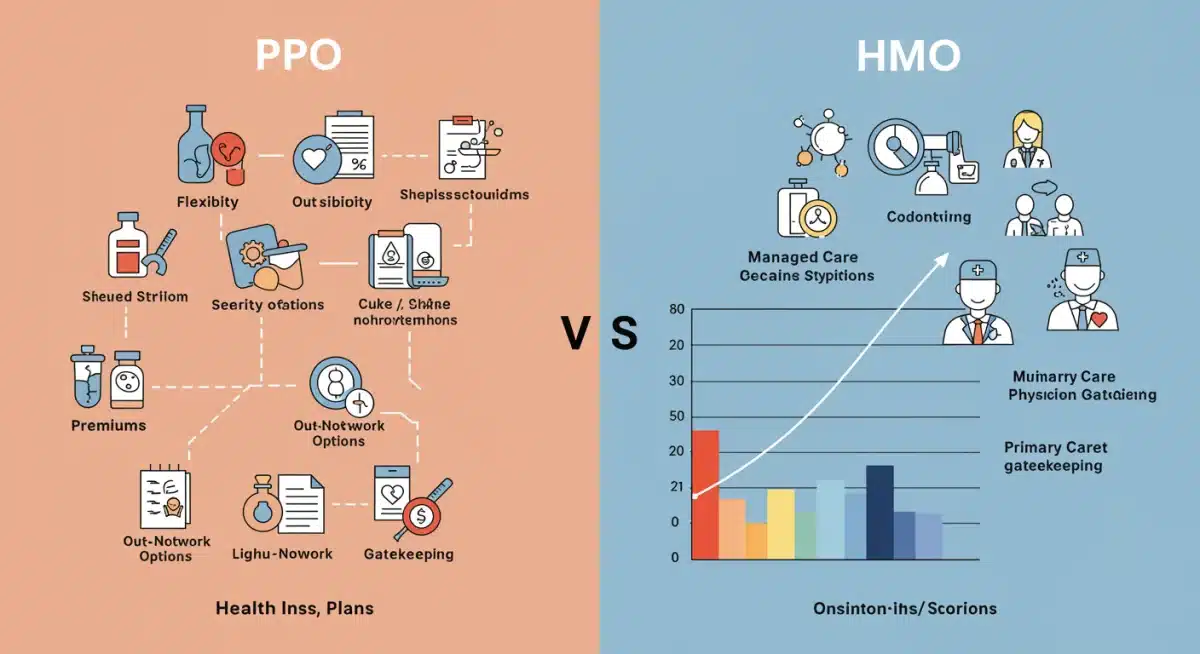
PPO plans typically offer greater flexibility in choosing healthcare providers, allowing members to see out-of-network specialists without a referral. This freedom comes with a trade-off, often in the form of higher premiums and potentially higher out-of-pocket costs for out-of-network services.
Patients under a PPO plan generally do not need a primary care physician (PCP) referral to see a specialist. This direct access can be a significant advantage for those who require specialized care frequently or prefer to manage their own healthcare network.
- No PCP referral required for specialists.
- Ability to choose out-of-network providers, albeit at a higher cost.
- Higher monthly premiums compared to HMO plans.
- Greater control over healthcare decisions and provider selection.
HMO Plan Structure and Managed Care
HMO plans, by contrast, focus on managed care, requiring members to choose a primary care physician within the plan’s network. This PCP acts as a gatekeeper, coordinating all care and providing referrals to specialists as needed.
The emphasis on in-network care and PCP coordination often translates to lower monthly premiums and predictable out-of-pocket expenses. However, going outside the network without proper authorization typically means no coverage, except in emergencies.
- Requires a PCP to coordinate all care and provide referrals.
- Generally lower monthly premiums and fixed co-payments.
- Limited to a specific network of doctors and hospitals.
- No coverage for out-of-network care, except in emergencies.
Data-Backed Analysis of Out-of-Pocket Costs in 2026
A critical aspect of the 2026 Benefits Comparison is analyzing the financial implications, particularly out-of-pocket costs. These costs can include deductibles, co-payments, co-insurance, and out-of-pocket maximums, all of which vary significantly between PPO and HMO plans.
Data from recent healthcare market analyses indicates continued trends in cost differentials, providing valuable insights for consumers. Understanding these figures is vital for budgeting and anticipating healthcare expenditures in the coming year.
This section delves into specific cost components, offering a quantitative perspective on what individuals can expect to pay under each plan type. The 2026 Benefits Comparison reveals distinct financial pathways.
Deductibles and Co-payments: A Closer Look
Deductibles, the amount you must pay out of pocket before your insurance plan starts to pay, often differ between PPO and HMO plans. PPOs may have higher individual and family deductibles, especially if you utilize out-of-network services.
Co-payments, fixed amounts paid for doctor visits or prescriptions, tend to be lower and more consistent in HMO plans. PPOs might have tiered co-payments, with higher amounts for specialists or out-of-network providers.
For example, a 2026 Benefits Comparison study shows average PPO deductibles could be 15-20% higher than HMO deductibles for comparable coverage levels. This financial disparity is a key factor in plan selection.
Co-insurance and Out-of-Pocket Maximums
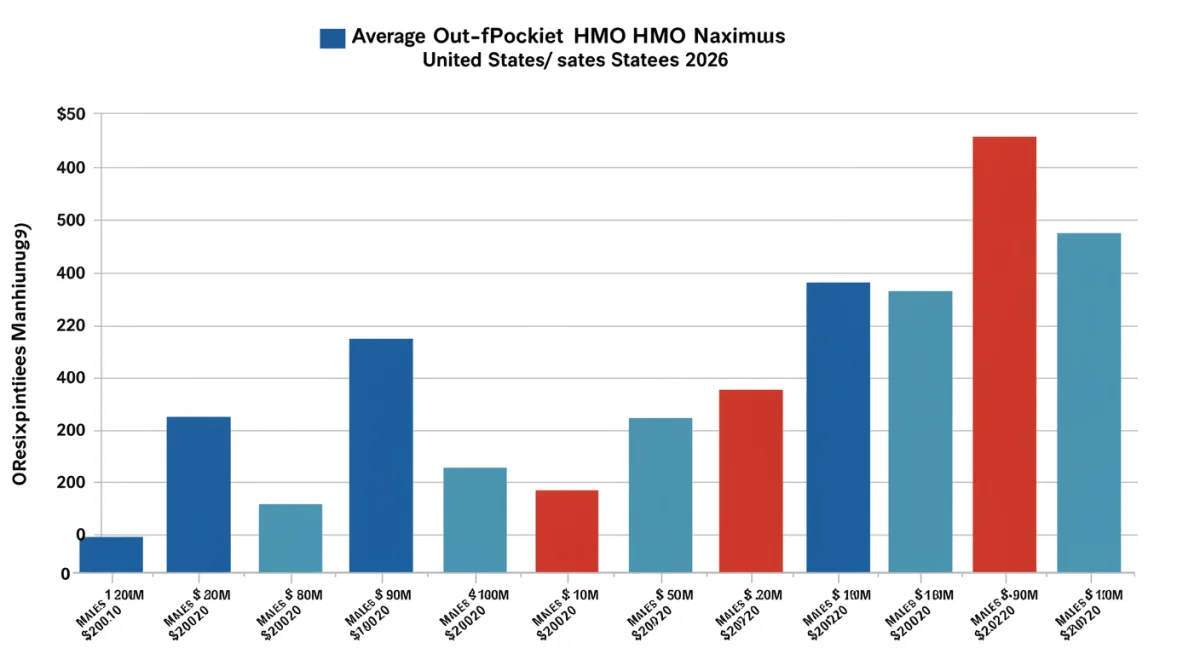
Co-insurance, the percentage of costs you pay after meeting your deductible, typically ranges from 10-30% for in-network services under PPO plans. For out-of-network PPO care, this percentage can be significantly higher, sometimes reaching 50% or more.
HMO plans often have lower co-insurance rates or even fixed co-payments instead of co-insurance for many services, offering more predictable costs. The out-of-pocket maximum, the most you’ll pay in a year for covered services, is a crucial safeguard.
While both plans have out-of-pocket maximums, PPO plans, particularly with out-of-network utilization, can see these limits reached faster or set at higher thresholds. The 2026 Benefits Comparison indicates that these maximums remain a significant differentiator.
Access to Specialists and Network Considerations for 2026
The ability to access specialists and the breadth of a plan’s network are often deciding factors for consumers. The 2026 Benefits Comparison reveals that these aspects continue to be primary drivers of plan choice, influencing both convenience and continuity of care.
PPO plans generally offer a wider array of choices, allowing patients to seek treatment from a broader spectrum of providers, even those outside the designated network. This freedom can be invaluable for individuals with specific or rare medical conditions.
HMO plans, while more restrictive in their network, aim to provide comprehensive care within a coordinated system. Understanding the implications of these network structures is vital for ensuring appropriate and timely medical attention.
PPO: Broad Networks and Direct Specialist Access
PPO plans are characterized by their extensive networks, often including a vast number of hospitals, doctors, and specialists. This allows members to choose their preferred providers without the need for a referral from a primary care physician.
Patients appreciate the autonomy and flexibility this offers, especially when dealing with chronic conditions or when seeking second opinions. The ability to self-refer to specialists streamlines the process of obtaining advanced medical care.
However, this broader access can sometimes lead to higher administrative costs for the insurer, which may be passed on to consumers through elevated premiums. The 2026 Benefits Comparison consistently shows this as a key PPO characteristic.
HMO: Coordinated Care and Network Limitations
HMO plans prioritize a coordinated care model, with a chosen primary care physician at the center of a patient’s medical journey. This PCP manages referrals to specialists, ensuring that care remains integrated and cost-effective.
While this system can lead to more organized care and potentially fewer unnecessary tests, it means patients are generally limited to providers within the HMO’s specific network. Going outside this network for non-emergency care is typically not covered.
For individuals who value a single point of contact for their healthcare and are comfortable with a more structured approach, HMOs can be a highly efficient option. The 2026 Benefits Comparison underscores the efficiency of this model within its constraints.
Impact on Prescription Drug Coverage and Mental Health Services
Beyond traditional medical services, the 2026 Benefits Comparison must also address prescription drug coverage and mental health services, as these are increasingly critical components of comprehensive healthcare. Differences in how PPO and HMO plans cover these areas can significantly affect overall patient well-being and financial burden.
Both plan types offer coverage for prescriptions and mental health, but the specifics regarding formularies, preferred pharmacies, and therapist networks can vary widely. These details are crucial for individuals managing ongoing conditions or seeking regular mental health support.
Analyzing these specific benefit categories provides a more holistic view of the value proposition each plan offers. The 2026 Benefits Comparison helps consumers anticipate their costs and access to these vital services.
Prescription Drug Formularies and Costs
PPO and HMO plans both utilize formularies, lists of covered prescription drugs, typically categorized into tiers with varying co-payment or co-insurance levels. However, the exact drugs included and their tier placement can differ.
HMOs often have more restrictive formularies and may require prior authorization for certain medications more frequently than PPOs. PPOs might offer more flexibility, though out-of-network pharmacy use could lead to higher costs.
A detailed 2026 Benefits Comparison of plan formularies is essential for individuals with specific medication needs. Comparing preferred pharmacy networks is also critical for convenience and cost management.
Mental Health and Behavioral Health Services
Coverage for mental health and behavioral health services has expanded significantly due to parity laws, but access still varies. PPO plans often provide broader access to a wider range of mental health professionals, including out-of-network options.
HMOs typically require referrals from a PCP for mental health specialists and limit choices to their network. While this ensures coordinated care, it can sometimes restrict access to specific therapists or types of therapy.
The 2026 Benefits Comparison highlights the importance of checking a plan’s mental health provider network and specific coverage for therapy sessions, medication management, and inpatient care. This ensures adequate support for mental well-being.
Choosing the Right Plan: A Strategic Approach for 2026
Selecting between a PPO and an HMO plan for 2026 requires a strategic approach, weighing personal healthcare needs against financial realities. There is no one-size-fits-all solution; the optimal choice depends heavily on individual circumstances, health status, and comfort with managed care.
Consumers should meticulously evaluate their anticipated medical expenses, preferred provider relationships, and tolerance for administrative processes. This thoughtful consideration ensures a plan that aligns with both health goals and budgetary constraints.
The 2026 Benefits Comparison is not merely about identifying differences, but about leveraging those insights to make empowered decisions. Proactive research and self-assessment are key to navigating this complex choice.
Evaluating Your Healthcare Needs and Preferences
Consider your current health status and any anticipated medical needs for 2026. Do you have chronic conditions requiring specialist care? Do you prefer the flexibility to choose any doctor, or are you comfortable with a coordinated care model?
If you frequently travel or have family members living in different areas, a PPO’s broader network coverage might be more appealing. Conversely, if you prioritize lower monthly costs and are content with in-network providers, an HMO could be a better fit.
Your preference for managing your own healthcare versus having a PCP coordinate everything is a significant factor in the 2026 Benefits Comparison. This personal preference should guide your decision.
Balancing Cost and Flexibility: Key Considerations
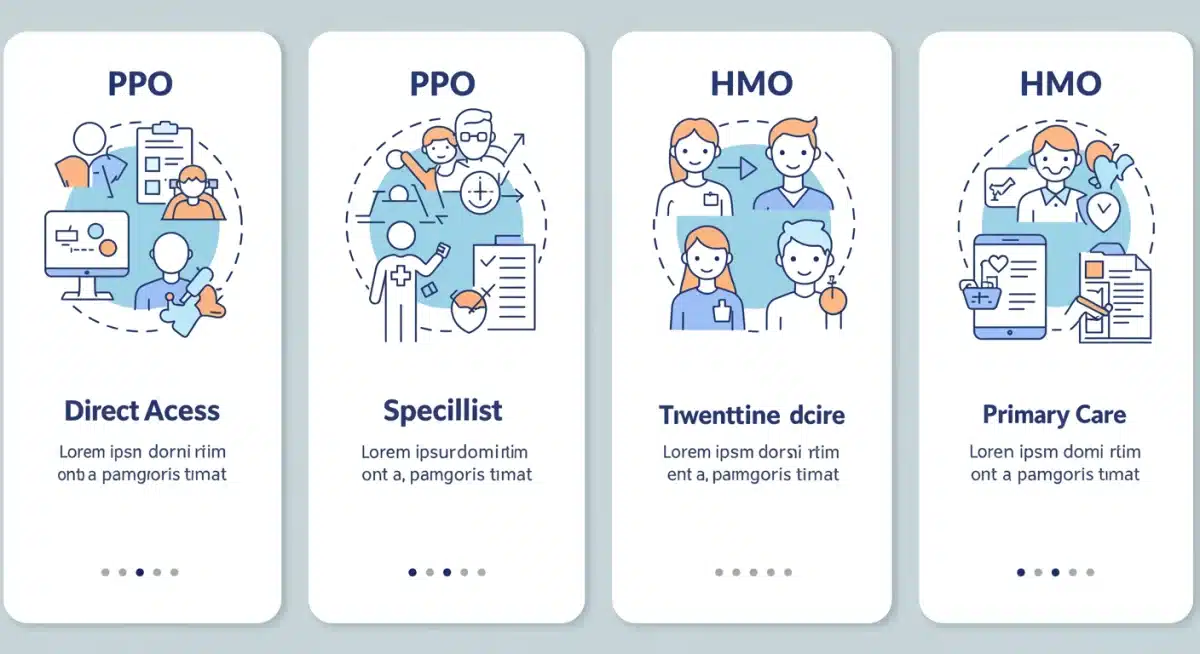
The fundamental trade-off between PPO and HMO plans often boils down to cost versus flexibility. PPOs offer more freedom but typically come with higher premiums and potentially higher out-of-pocket costs if out-of-network services are used.
HMOs offer lower premiums and more predictable costs, but at the expense of network restrictions and the need for PCP referrals. Evaluate your financial comfort level with potential unexpected medical expenses under each plan.
Utilizing tools and resources that provide a detailed 2026 Benefits Comparison of specific plans in your area, including projected costs based on your estimated usage, is highly recommended. This data-driven approach is essential.
Anticipated Trends and Regulatory Changes for 2026 Benefits Comparison
The healthcare landscape is dynamic, with anticipated trends and potential regulatory changes influencing the structure and costs of PPO and HMO plans in 2026. Staying informed about these broader developments is crucial for a comprehensive understanding of your options.
Factors such as inflation, medical advancements, and shifts in healthcare policy can all impact premiums, deductibles, and the scope of covered services. These external influences shape the offerings available during open enrollment.
A forward-looking perspective on the 2026 Benefits Comparison requires acknowledging these evolving elements. Consumers should be prepared for potential adjustments in plan designs and pricing.
Inflation and Healthcare Costs
Inflationary pressures continue to affect healthcare costs, which can translate into higher premiums and out-of-pocket expenses for both PPO and HMO plans in 2026. Medical providers face rising operational costs, impacting service pricing.
The cost of new medical technologies and prescription drugs also contributes to overall healthcare expenditure increases. These factors collectively influence the financial structure of insurance plans.
Monitoring economic indicators and industry reports can provide early warnings about potential cost increases that will inevitably feature in the 2026 Benefits Comparison.
Potential Policy Shifts and Their Influence
While major legislative overhauls are not always predictable, minor policy adjustments or regulatory interpretations can subtly alter benefit mandates or cost-sharing requirements. These changes can affect how plans are structured and what they cover.
For example, changes in mandates for specific preventative services or mental health parity enforcement could influence plan offerings. Such shifts might lead to adjustments in the 2026 Benefits Comparison for both PPO and HMO structures.
Staying abreast of announcements from federal and state health agencies is crucial. These bodies often provide guidance that shapes the framework within which insurance companies operate.
Employer-Sponsored vs. Individual Marketplace Plans in 2026
The context in which you obtain your health insurance—whether through an employer or an individual marketplace—significantly impacts the available options and the 2026 Benefits Comparison. Each pathway presents unique advantages and disadvantages.
Employer-sponsored plans often offer a curated selection of PPO and HMO options, potentially with lower premiums due to employer contributions. Individual marketplace plans provide broader choice but require individuals to bear the full premium cost, possibly with subsidies.
Understanding these different avenues for enrollment is vital for maximizing your benefits and managing costs effectively. The source of your plan directly influences the 2026 Benefits Comparison.
Employer-Sponsored Plan Dynamics
Many Americans access PPO and HMO plans through their employers, who typically subsidize a significant portion of the premiums. This often makes employer-sponsored plans more affordable and attractive.
Employers may offer a limited selection of plans, but these are usually vetted for quality and value. The HR department serves as a resource for questions and enrollment assistance during open enrollment periods.
The specific PPO and HMO options, along with their costs, are determined by the employer’s negotiations with insurers, making the 2026 Benefits Comparison unique to each company.
Individual Marketplace Choices and Subsidies
For those not covered by an employer, the individual health insurance marketplace (e.g., healthcare.gov) offers a range of PPO and HMO plans. These marketplaces allow individuals to compare options and potentially qualify for subsidies based on income.
While the choice of plans might be broader, individuals are responsible for the full premium, though tax credits can significantly reduce this burden. The responsibility for research and enrollment falls entirely on the individual.
The 2026 Benefits Comparison on the individual marketplace requires careful attention to subsidy eligibility and a thorough understanding of each plan’s cost-sharing structure.
Making an Informed Decision: Leveraging Resources for 2026
Navigating the complexities of health insurance requires leveraging all available resources to make an informed decision for 2026. This includes official plan documents, online comparison tools, and expert advice, all aimed at clarifying the 2026 Benefits Comparison.
Do not rely solely on summarized information; delve into the specifics of each plan’s Evidence of Coverage (EOC) and Summary of Benefits and Coverage (SBC). These documents provide the definitive details on what is covered and at what cost.
Proactive engagement with these resources empowers consumers to choose a plan that best suits their health and financial needs. A well-researched decision minimizes future surprises.
Utilizing Online Comparison Tools and Plan Documents
Online health insurance marketplaces and independent comparison websites offer valuable tools to compare PPO and HMO plans side-by-side. These platforms often allow users to filter by specific criteria, such as premium costs, deductibles, and network size.
Always cross-reference information from these tools with the official plan documents (SBC and EOC). These documents provide the most accurate and legally binding details about a plan’s coverage, exclusions, and cost-sharing.
Pay close attention to the fine print, especially regarding specific services you anticipate needing, to ensure accurate 2026 Benefits Comparison. This due diligence is critical.
Seeking Expert Advice and Personal Testimonials
When in doubt, consult with a licensed health insurance broker or a benefits specialist. These professionals can provide personalized advice based on your unique situation and help clarify complex plan details that influence the 2026 Benefits Comparison.
While personal testimonials should be approached with caution, they can offer qualitative insights into patient experiences with specific plans or providers. However, always prioritize official data and expert guidance.
Remember that the best plan for one person may not be the best for another. Personalized advice ensures your choice aligns with your individual healthcare needs and financial preferences.
| Key Aspect | PPO vs. HMO in 2026 |
|---|---|
| Provider Network & Referrals | PPO offers broad network, no referrals; HMO requires PCP referrals within network. |
| Monthly Premiums | PPO premiums generally higher; HMO premiums typically lower. |
| Out-of-Pocket Costs | PPO has higher deductibles/out-of-network costs; HMO has predictable co-pays. |
| Flexibility vs. Managed Care | PPO offers more flexibility; HMO focuses on coordinated, managed care. |
Frequently Asked Questions About 2026 Benefits Comparison
▼
For 2026, PPO plans typically feature higher monthly premiums but offer more flexibility with out-of-network coverage, potentially leading to higher out-of-pocket costs if that flexibility is utilized. HMO plans usually have lower premiums and more predictable co-payments, but restrict care to an in-network provider system, limiting unexpected expenses.
▼
With most PPO plans in 2026, you generally do not need a referral from a primary care physician (PCP) to see a specialist, even if they are out-of-network. In contrast, HMO plans almost always require a referral from your designated PCP to access specialist care, keeping services within their managed network.
▼
Both PPO and HMO plans have annual out-of-pocket maximums for 2026, limiting your total spending. However, PPO plans might have higher maximums, especially if you use out-of-network providers, as separate out-of-network maximums can apply. HMOs generally have lower, more straightforward out-of-pocket limits due to their in-network focus.
▼
PPO plans offer significantly more flexibility in provider choice for 2026. They allow you to see any doctor or specialist, whether in-network or out-of-network, without a referral. HMO plans restrict your choices to a specific network of providers and require a PCP referral for specialist visits, limiting flexibility.
▼
Yes, prescription drug coverages can differ in 2026. While both utilize formularies, HMOs often have more restrictive formularies and stricter requirements for prior authorization. PPOs might offer broader formulary options and more flexibility with pharmacies, though out-of-network pharmacy use could lead to higher costs, influencing the 2026 Benefits Comparison.
What This Means
The 2026 Benefits Comparison between PPO and HMO plans underscores the need for personalized healthcare decision-making. As the data consistently shows, each plan type carries distinct implications for cost, access, and overall patient experience. Understanding these nuances is critical for individuals and families to align their health coverage with their specific needs and financial capacity. Future developments in healthcare policy and market trends will continue to shape these offerings, making ongoing vigilance essential for informed choices.