Emergency savings importance: What you need to know
Advertisements
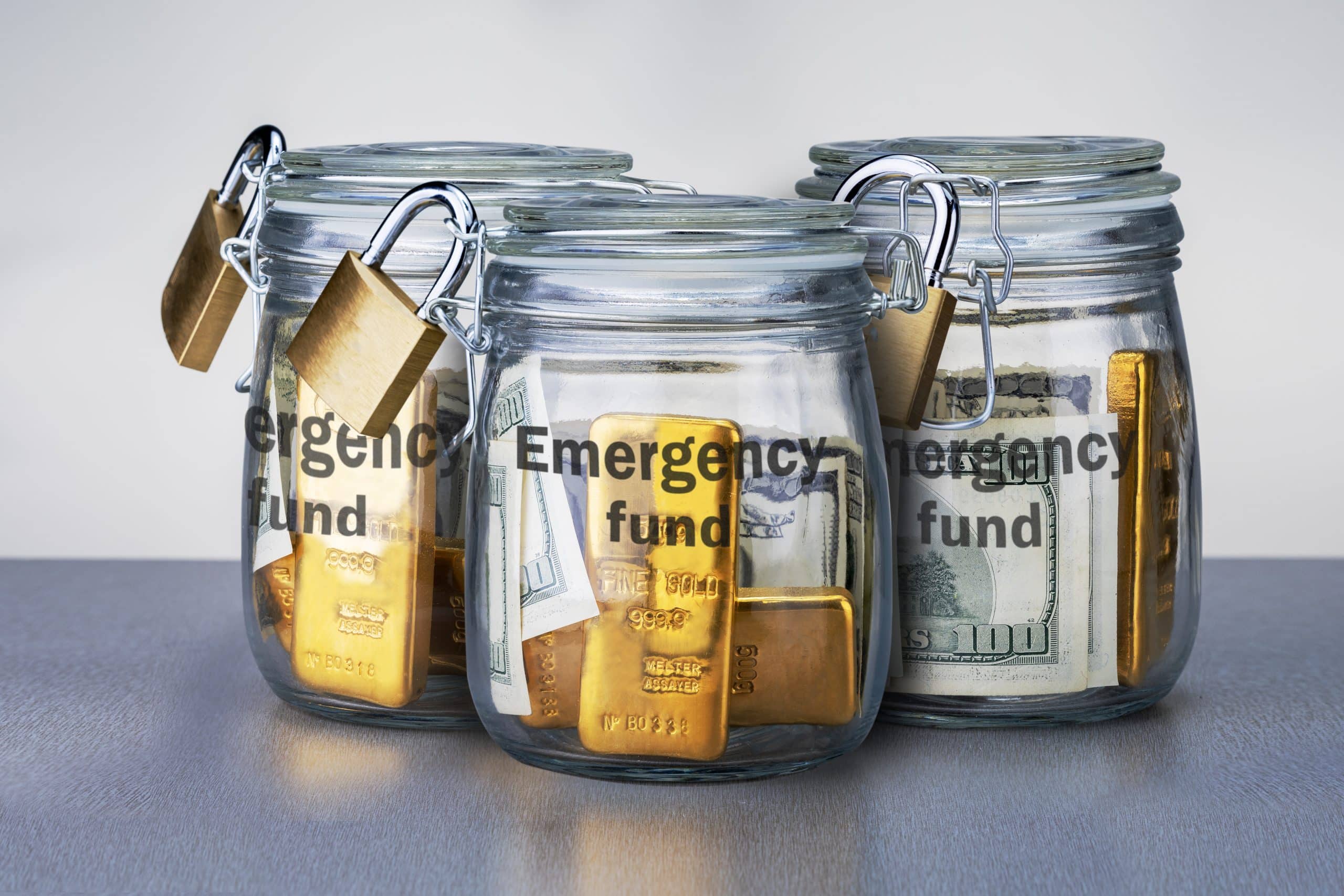
Emergency savings are crucial for financial stability, and it is recommended to save three to six months’ worth of living expenses to prepare for unexpected costs effectively.
Emergency savings importance 2025 is something we all need to consider.
With unexpected expenses lurking around every corner, knowing how to safeguard your finances can be a game-changer.
Advertisements
So, have you thought about how much security your savings provide?
Understanding emergency savings
Understanding emergency savings is vital for your financial health.
It helps you prepare for unexpected events like job loss or medical emergencies.
Advertisements
Having a solid emergency fund can provide peace of mind.
What are emergency savings?
Emergency savings refer to money set aside specifically for unforeseen expenses.
Rather than relying on credit or loans, having these funds can help you face emergencies without stress.
This savings can be crucial in maintaining your financial stability.
Benefits of having an emergency fund
Having a fund ready for emergencies provides numerous advantages:
- Financial Security: You protect yourself from unexpected expenses affecting your daily life.
- Peace of Mind: Knowing you have savings can reduce anxiety during difficult times.
- Avoiding Debt: You won’t need to borrow money, which can prevent accumulating high-interest debt.
Building an emergency savings fund should be a priority for everyone.
You never know when an unexpected cost may occur, so it’s best to be prepared. Start small, but be consistent.
Even setting aside a little each month can lead to significant savings over time.
Ultimately, the importance of emergency savings can’t be emphasized enough.
It’s not just about having money; it’s about having a safety net, ensuring you’re ready for whatever life throws your way.
Start today, and give yourself the security and comfort that comes with being financially prepared.
Why having an emergency fund is essential
Why having an emergency fund is essential can’t be understated. Life is unpredictable, and unexpected expenses can arise at any moment.
An emergency fund offers a safety net that helps you navigate financial crises.
Avoiding financial stress
Having a dedicated fund for emergencies reduces stress when you face unexpected bills.
Whether it’s a job layoff or sudden medical expenses, knowing you have money set aside provides peace of mind.
This financial cushion empowers you to make informed decisions.
Maintaining your lifestyle
An emergency fund helps you maintain your lifestyle during tough times.
Lost income doesn’t have to lead to drastic lifestyle changes if you are prepared.
You can continue to pay your bills, buy groceries, and manage daily expenses without added pressure.
Promoting financial discipline
Building an emergency fund encourages financial discipline. By saving a portion of your income regularly, you develop better habits.
This practice can improve your overall financial health and promote future savings goals.
- Helps cover unexpected costs: From car repairs to medical expenses, an emergency fund can address them directly.
- Gives you negotiation power: When facing job loss, it allows you to take your time in finding a better position instead of rushing.
- Aids in avoiding high-interest debt: Using savings prevents reliance on credit cards or loans during emergencies.
Ultimately, understanding why an emergency fund is essential can change your approach to finances.
Planning for uncertainties brings confidence and stability.
Everyone benefits from having this financial safety net, creating a sense of preparedness.

How much should you save for emergencies?
How much should you save for emergencies? This question often comes up when planning your finances.
The amount to save depends on several factors, including your income, expenses, and personal situation.
General savings guidelines
A common recommendation is to save at least three to six months’ worth of living expenses.
This ensures you have enough to cover rent, utilities, and groceries during tough times.
Flexibility is key; some people may need more based on their job stability.
Factors influencing your savings goal
Several factors can influence how much should be saved:
- Income stability: If your job is secure, three months’ worth might suffice.
- Health and family obligations: If you have dependents or health issues, consider saving more.
- Housing situation: Homeowners may need a larger fund due to unexpected repairs.
Creating a personalized savings target is essential. Start with your monthly expenses, then multiply that by the number of months you feel comfortable with.
For some, that might be three months; for others, it may be up to twelve.
It’s crucial to know your needs and set a target that gives you peace of mind.
As you build your fund, regularly reassess your savings goal based on changes in your life or financial situation.
This adaptability will ensure you’re always prepared for emergencies.
Remember, it’s better to start small and gradually increase your savings than to wait until you can meet a larger goal.
Tips for building your emergency savings
Building your emergency savings is crucial for financial security.
Here are effective tips to enhance your savings and prepare for unexpected expenses.
Every small step can lead to significant progress over time.
Start with a budget
Creating a budget is the first step to understanding your finances.
By knowing how much you earn and what you spend, you can identify areas to save more.
A well-planned budget helps you allocate funds specifically for your emergency savings.
Set a specific savings goal
Decide how much you want to save for emergencies.
Having a clear target provides motivation and direction.
Aim for three to six months’ worth of living expenses, or adjust based on your personal situation.
- Break down your goal: Instead of focusing on a large sum, break it into smaller monthly targets.
- Track your progress: Keep an eye on your savings; this will encourage you to stay on track.
- Celebrate small milestones: Reward yourself when you reach smaller goals along the way.
Make savings a priority by treating it like a bill. Set up automatic transfers from your checking account to your savings account every month.
This ensures you build your emergency fund consistently without forgetting.
Consider finding extra sources of income. Selling unused items, taking on a part-time job, or gig work can provide additional funds for your emergency savings.
Every little bit helps, and these efforts can boost your savings significantly.
Lastly, stay disciplined and avoid dipping into your emergency savings for non-emergencies.
Remember, the purpose of this fund is to cover unexpected expenses.
Keeping your focus will help you maintain a solid financial safety net.
Common mistakes to avoid with emergency savings
When it comes to emergency savings, avoiding common mistakes can make a big difference in your financial security.
Many people unknowingly hinder their savings potential, leading to unnecessary stress during tough times.
Neglecting to save
A major mistake is simply not prioritizing savings. Without regular contributions, your emergency fund won’t grow, and you may find yourself unprepared for unexpected expenses.
Making savings a habit is essential; treat it like a recurring bill.
Using savings for non-emergencies
Another frequent error is dipping into emergency funds for everyday expenses or non-essential purchases.
This undermines the very purpose of your savings. Keeping your hands off this money is crucial for maintaining that financial safety net.
- Identify real emergencies: Know what qualifies as an emergency and only spend from the fund for those situations.
- Create a spending plan: Budget for monthly expenses to avoid tapping into your savings.
- Track progress: Regularly reviewing your savings helps you stay committed.
Failing to reassess your savings goals can also keep you from achieving financial stability.
Life changes, and so do your needs. Make it a point to review your fund amount regularly and adjust based on your current situation.
Additionally, many people underestimate how much they need to have saved.
Relying on the bare minimum can leave you vulnerable during true emergencies.
It’s smart to save for at least three to six months’ worth of living expenses. This buffer can make a significant difference.
Staying informed is essential, too. Many individuals confuse emergency savings with other savings goals, such as vacations or new gadgets.
Keep them separate to prevent blending funds and ensure you’re truly prepared.
FAQ – Frequently Asked Questions about Emergency Savings
Why is having an emergency fund important?
An emergency fund provides financial security during unexpected situations, helping you cover unplanned expenses without stress.
How much should I save for emergencies?
It’s recommended to save three to six months’ worth of living expenses to ensure you can handle unforeseen costs.
What are common mistakes to avoid with emergency savings?
Common mistakes include using funds for non-emergencies, neglecting to save regularly, and failing to reassess your savings goals.
How can I effectively build my emergency savings?
Start by creating a budget, setting clear savings goals, making regular contributions, and tracking your progress.