Identity Theft Protection: Must-Have Employee Benefit for 2026?

Advertisements
The escalating threat of cybercrime positions identity theft protection employee benefit as a critical offering for 2026. This article offers insights into its growing necessity, the profound impact on workforce security, and why forward-thinking companies are integrating it. It addresses the evolving landscape of employee welfare with factual and timely information.
The question, “Identity Theft Protection: Is This a Must-Have Employee Benefit for 2026?” is rapidly moving from a possibility to a pressing reality for businesses across the United States. With digital interactions permeating every aspect of daily life, the risk of identity theft has surged, directly affecting employees’ financial stability and personal well-being. This shift mandates a re-evaluation of traditional benefits packages to include robust cyber security measures.
Employers are increasingly recognizing that an employee’s personal security directly correlates with their productivity and job satisfaction. As such, providing comprehensive identity theft protection employee benefit is emerging as a strategic imperative, not just a perk. The unfolding trends for 2026 indicate a significant move towards incorporating such protections into standard corporate offerings, reflecting a proactive stance against modern threats.
Advertisements
The Escalating Threat Landscape and Employee Vulnerability
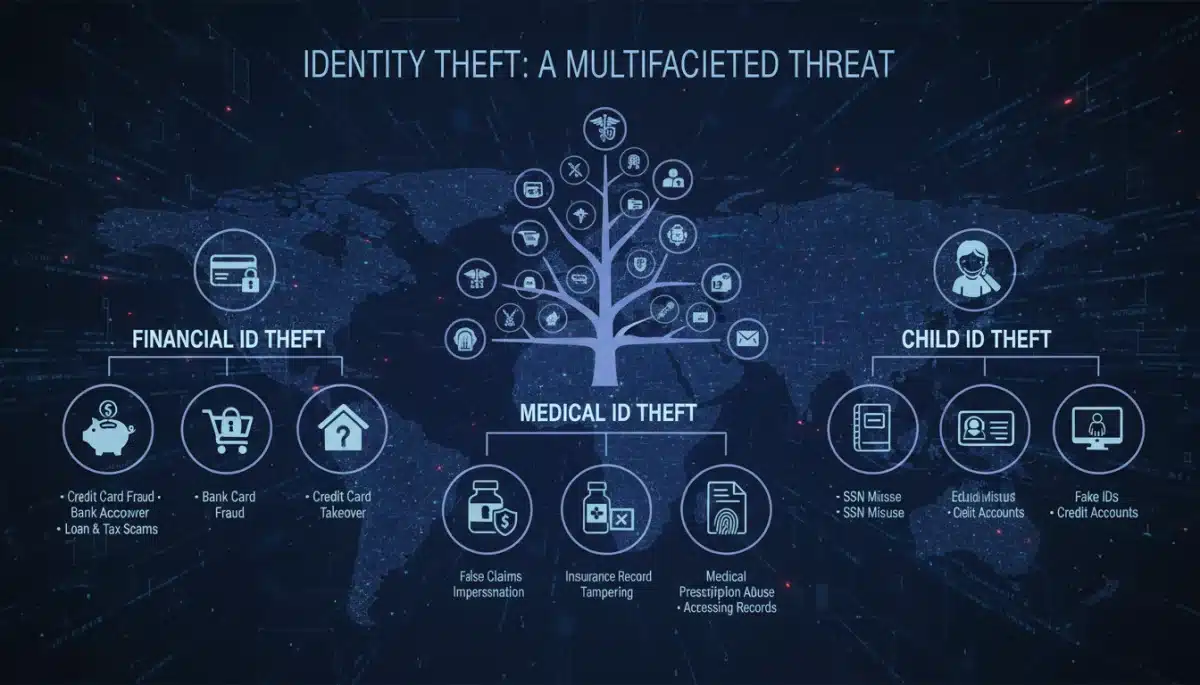
The digital age has brought unprecedented convenience but also exposed individuals to sophisticated cyber threats, making identity theft a pervasive concern. Employees, often managing personal and professional data on shared devices or networks, are particularly vulnerable. This vulnerability extends beyond financial fraud, encompassing medical identity theft, tax fraud, and even criminal impersonation.
Recent data indicates a steady increase in identity theft incidents, with millions of Americans affected annually, according to reports from the Federal Trade Commission (FTC). These incidents lead to significant financial losses, time-consuming recovery processes, and immense emotional distress for victims. The ripple effect often impacts workplace performance, as employees grapple with these personal crises.
Employers are now confronting the reality that their workforce’s personal data security is an extension of their organizational security. A breach impacting an employee personally can have indirect consequences for the company, including reputational damage or compromised business data. This interconnectedness underscores the need for a comprehensive identity theft protection employee benefit.
Advertisements
Understanding the Scope of Identity Theft Protection
Identity theft protection services offer a multi-layered defense against various forms of digital and personal data compromise. These services typically include credit monitoring, dark web surveillance, fraud resolution support, and identity restoration. The goal is to detect suspicious activity early and assist victims in recovering their identities efficiently.
For employees, having access to such a service through their employer provides peace of mind and immediate resources in the event of a breach. This benefit can significantly reduce the burden of navigating complex recovery processes alone, allowing employees to focus on their work with less distraction. It represents a tangible investment in their holistic well-being.
Key Components of Robust Protection Plans
- Credit Monitoring: Alerts employees to suspicious activity on their credit reports.
- Dark Web Surveillance: Scans illicit online marketplaces for compromised personal data.
- Identity Restoration Services: Provides expert assistance in recovering from identity theft.
- Financial Account Monitoring: Tracks bank and investment accounts for unauthorized transactions.
The range of services offered by identity theft protection plans varies, but a comprehensive package typically covers monitoring, alerts, and resolution. Employers looking to provide this as an identity theft protection employee benefit must evaluate providers based on the breadth of their coverage and the effectiveness of their response teams, ensuring employees receive the best possible support.
The Business Case for Integrating Identity Theft Protection
Beyond employee welfare, there is a compelling business case for offering identity theft protection as an employee benefit. Companies are increasingly recognizing that a secure and less-stressed workforce is a more productive workforce. The cost of an employee dealing with identity theft can manifest in absenteeism, reduced focus, and decreased morale.
Furthermore, offering such a benefit can significantly enhance a company’s recruitment and retention efforts. In a competitive job market, comprehensive benefits packages are a key differentiator. Prospective employees are increasingly seeking employers who demonstrate a genuine commitment to their overall well-being, including their digital security.
Impact on Employee Well-being and Productivity
- Reduced Stress: Employees feel more secure knowing they are protected.
- Improved Focus: Less time spent worrying about or resolving identity theft issues.
- Higher Morale: A clear sign of employer care and investment in personal welfare.
- Decreased Absenteeism: Less need for time off to deal with fraud recovery.
The indirect costs associated with identity theft, such as legal fees, lost wages, and emotional distress, can be substantial for individuals. By mitigating these risks, employers are not only supporting their staff but also safeguarding their operational efficiency. The long-term return on investment for an identity theft protection employee benefit can be significant, extending beyond simple financial calculations.
Navigating the 2026 Benefits Landscape and HR Strategy
As 2026 approaches, HR departments are tasked with evolving their benefits strategies to meet the demands of a modern workforce. The digital transformation of work, coupled with a heightened awareness of cyber risks, places identity theft protection squarely on the agenda. This necessitates a strategic approach to integrating new benefits without overburdening budgets.
HR leaders are exploring flexible benefit plans that allow employees to customize their coverage, including options for identity theft protection. This approach acknowledges the diverse needs of a multi-generational workforce and ensures that benefits are both relevant and valued. The goal is to create a benefits package that is competitive, cost-effective, and truly supportive of employees’ lives.
The decision to offer identity theft protection employee benefit also aligns with broader trends in corporate responsibility and employee advocacy. Companies that prioritize employee security are often viewed more favorably by both current and prospective staff, strengthening their employer brand. This foresight in benefits planning is becoming a hallmark of leading organizations.
Comparing Providers and Implementation Challenges
The market for identity theft protection services is robust, with numerous providers offering a range of features and pricing structures. Employers must carefully compare these options to select a plan that best fits their organizational needs and budget while providing comprehensive coverage for their employees. Key considerations include the scope of monitoring, ease of use for employees, and the quality of customer support.
Implementing a new benefit, especially one as sensitive as identity theft protection, can present challenges. Effective communication is paramount to ensure employees understand the value and mechanics of the benefit. HR teams will need to develop clear onboarding processes and provide ongoing education to maximize employee engagement and utilization of the service.
Considerations for Employer Selection
- Comprehensive Coverage: Does it protect against various forms of identity theft?
- Ease of Use: Is the platform intuitive for employees to manage their protection?
- Reputation and Support: Does the provider have a strong track record and reliable customer service?
- Cost-Effectiveness: Can the plan be integrated within the existing benefits budget?
Moreover, ensuring data privacy and compliance with relevant regulations when partnering with an identity theft protection provider is crucial. Employers must verify that the chosen vendor adheres to strict data security standards, safeguarding both company and employee information. This due diligence is a critical step in the implementation process for any identity theft protection employee benefit program.
Employee Perspectives: Valuing Digital Security
Employees today are increasingly aware of the risks associated with digital life and the potential impact of identity theft. They are actively seeking employers who demonstrate a proactive approach to their personal security. A recent survey indicated that a significant percentage of employees would view identity theft protection as a highly valuable benefit, comparable to traditional health or retirement plans.
This evolving employee expectation means that companies not offering such protections may find themselves at a disadvantage in attracting top talent. The perceived value of an identity theft protection employee benefit extends beyond its direct utility; it signals an employer’s commitment to creating a supportive and secure work environment. This sentiment is particularly strong among younger generations entering the workforce.
The psychological impact of knowing one’s personal information is actively monitored and protected cannot be overstated. It fosters a sense of security and trust between employer and employee, strengthening the overall organizational culture. This intrinsic value proposition makes identity theft protection a compelling addition to any modern benefits package, especially for 2026 and beyond.
The Future Outlook: Mandate or Market Standard?
While Identity Theft Protection: Is This a Must-Have Employee Benefit for 2026? is currently a strategic choice, the trajectory suggests it may soon become a market standard, if not a regulatory mandate. The increasing frequency and sophistication of cyberattacks are prompting discussions at various levels about greater protection for individuals. This could translate into new compliance requirements for employers.
As more companies adopt this benefit, it will set a new benchmark for competitive compensation and benefits packages. Early adopters will gain a significant advantage in the talent market, while those who lag may struggle to attract and retain skilled professionals. The trend points towards identity theft protection becoming as commonplace as health insurance in the not-too-distant future.
The emphasis on employee well-being, coupled with the undeniable realities of digital risk, creates a powerful impetus for this shift. Employers who proactively embrace identity theft protection employee benefit are not just responding to a trend; they are investing in the resilience and security of their most valuable asset: their people. This forward-thinking approach is critical for navigating the complexities of the modern professional landscape and ensuring long-term success.

Addressing Common Misconceptions About Identity Theft Protection
Many employers and employees hold misconceptions about identity theft protection, often underestimating its necessity or oversimplifying its scope. One common belief is that personal vigilance alone is sufficient to prevent identity theft. While good practices are crucial, professional services offer a layer of monitoring and recovery expertise that individuals typically lack.
Another misconception is that identity theft only affects a specific demographic or those with poor online habits. In reality, cybercriminals cast a wide net, and anyone can become a victim regardless of their digital savviness. This broad vulnerability underscores why a universal identity theft protection employee benefit is increasingly vital for all staff members.
Finally, some may view identity theft protection as an unnecessary expense, failing to recognize the significant financial and emotional costs associated with recovering from an attack. The proactive investment in protection far outweighs the reactive costs of remediation. Educating stakeholders on these realities is key to successful implementation of identity theft protection employee benefit programs.
| Key Point | Brief Description |
|---|---|
| Growing Necessity | Digital risks make identity theft protection employee benefit critical for workforce security. |
| Business Advantage | Enhances recruitment, retention, and reduces employee stress and absenteeism. |
| Comprehensive Coverage | Includes monitoring, alerts, and expert resolution for various types of fraud. |
| Future Trend | Likely to become a market standard or regulatory requirement by 2026. |
Frequently Asked Questions About Identity Theft Protection as an Employee Benefit
The increasing prevalence of cyberattacks and data breaches makes employees highly vulnerable to identity theft. Providing this benefit safeguards their financial and personal well-being, reducing stress and improving focus, which directly benefits productivity and morale in the workplace.
Most comprehensive plans offer credit monitoring, dark web surveillance, fraud alerts, and full-service identity restoration. Some may also include financial account monitoring and lost wallet protection, providing a robust defense against various forms of identity compromise.
Employers benefit from enhanced recruitment and retention, a more engaged and less stressed workforce, and reduced absenteeism due to identity theft recovery. It also strengthens the company’s employer brand, demonstrating a commitment to employee holistic well-being and security.
Challenges include selecting the right provider, ensuring effective communication to employees about the benefit’s value, and managing data privacy concerns. Clear onboarding and ongoing education are crucial for maximizing employee participation and understanding of the identity theft protection employee benefit.
Current trends suggest a strong move towards it becoming a market standard, if not a regulatory requirement. As cyber threats evolve, companies are increasingly recognizing its importance, making it a key differentiator in competitive benefits packages for 2026 and beyond.
What This Means
The increasing focus on identity theft protection employee benefit signals a fundamental shift in how organizations perceive and manage employee welfare in the digital age. This evolving landscape underscores the imperative for businesses to adopt proactive measures, moving beyond traditional benefits to address modern risks. Companies that prioritize digital security for their workforce are not merely offering a perk; they are making a strategic investment in their human capital and future resilience, setting a new standard for corporate responsibility. The trajectory indicates this will be a defining characteristic of competitive benefits packages for 2026.