Navigating 2026 Student Loan Landscape: Practical Solutions for US Graduates

Advertisements
The 2026 student loan landscape in the US is set for significant changes, impacting graduates. This article provides practical solutions and essential strategies to navigate new repayment policies, ensuring financial stability and informed decision-making.
Navigating the 2026 Student Loan Landscape: Practical Solutions for US Graduates Facing Repayment Changes is a critical topic for millions of Americans. As the deadline approaches, understanding the nuances of upcoming policy shifts and proactive planning becomes paramount for recent and future graduates.
This report delves into the specifics of these changes, offering clear, actionable insights. We aim to equip you with the knowledge needed to confidently manage your student loan obligations, turning potential challenges into manageable opportunities.
Advertisements
Our objective is to provide a comprehensive guide, ensuring you are well-prepared for what lies ahead. We focus on verified information and expert analysis to help you make informed decisions about your financial future.
Understanding the Looming 2026 Student Loan Changes
The year 2026 marks a pivotal moment for student loan borrowers in the United States, with significant policy adjustments on the horizon. These changes are designed to reshape how millions manage their educational debt, introducing both new complexities and potential relief options.
Advertisements
Graduates must grasp the full scope of these modifications, as they will directly influence repayment schedules, interest accrual, and eligibility for various programs. Being informed now is the first step toward effective financial planning and minimizing future stress.
These impending revisions stem from a combination of legislative actions and administrative directives, reflecting ongoing efforts to reform the nation’s student loan system. The goal is often to create a more sustainable and equitable framework, though the immediate impact can vary widely among individuals.
Key Policy Shifts Affecting Repayment
Several critical policy shifts are set to redefine the student loan repayment experience for US graduates. These include alterations to existing income-driven repayment (IDR) plans, potential changes to loan forgiveness programs, and new considerations for interest capitalization.
The Department of Education has indicated a move towards streamlining certain processes and enhancing borrower protections, but details require careful examination. Understanding these specific adjustments is crucial for anyone student loan changes 2026 will impact, as it will dictate their strategic approach.
For instance, some proposals suggest a reduction in the discretionary income percentage used to calculate IDR payments, potentially lowering monthly obligations for many. Other discussions involve simplifying the path to loan forgiveness, particularly for public service workers.
New Income-Driven Repayment Options
New income-driven repayment (IDR) options are being introduced to make loan payments more manageable for borrowers with lower incomes. These plans aim to cap monthly payments at a more affordable percentage of a borrower’s discretionary income, preventing default and financial strain.
Graduates need to assess how these new IDR structures compare to existing plans like PAYE, REPAYE, and IBR. The choice of plan can significantly alter the total amount repaid over time and the timeline for potential loan forgiveness.
- Reduced percentage of discretionary income for payments.
- Shorter repayment periods for certain loan types.
- Automatic enrollment considerations for eligible borrowers.
Changes to Loan Forgiveness Programs
Loan forgiveness programs, such as Public Service Loan Forgiveness (PSLF), are also undergoing revisions to improve accessibility and transparency. The aim is to ensure that eligible public servants and other qualified individuals can more easily achieve debt relief after fulfilling program requirements.
These changes might include clearer guidelines for qualifying employment, simplified application processes, and better tracking of qualifying payments. Graduates pursuing careers in public service should pay close attention to these updates.
- Streamlined eligibility requirements for PSLF.
- Improved tracking of qualifying payments.
- Expansion of eligible employment types in some cases.
Strategies for Effective Loan Management
Effective loan management is not just about making payments; it’s about strategic planning to minimize debt burden and maximize financial well-being. With the student loan changes 2026 on the horizon, graduates must adopt proactive strategies to navigate the evolving landscape.
This involves a thorough review of current loan terms, understanding eligibility for new programs, and exploring options like refinancing or consolidation. A well-thought-out plan can save thousands of dollars and years of repayment.
Moreover, staying informed about government announcements and consulting with financial aid advisors can provide personalized guidance. Tailoring your approach to your specific financial situation is key to success.
Evaluating Income-Driven Repayment Plans
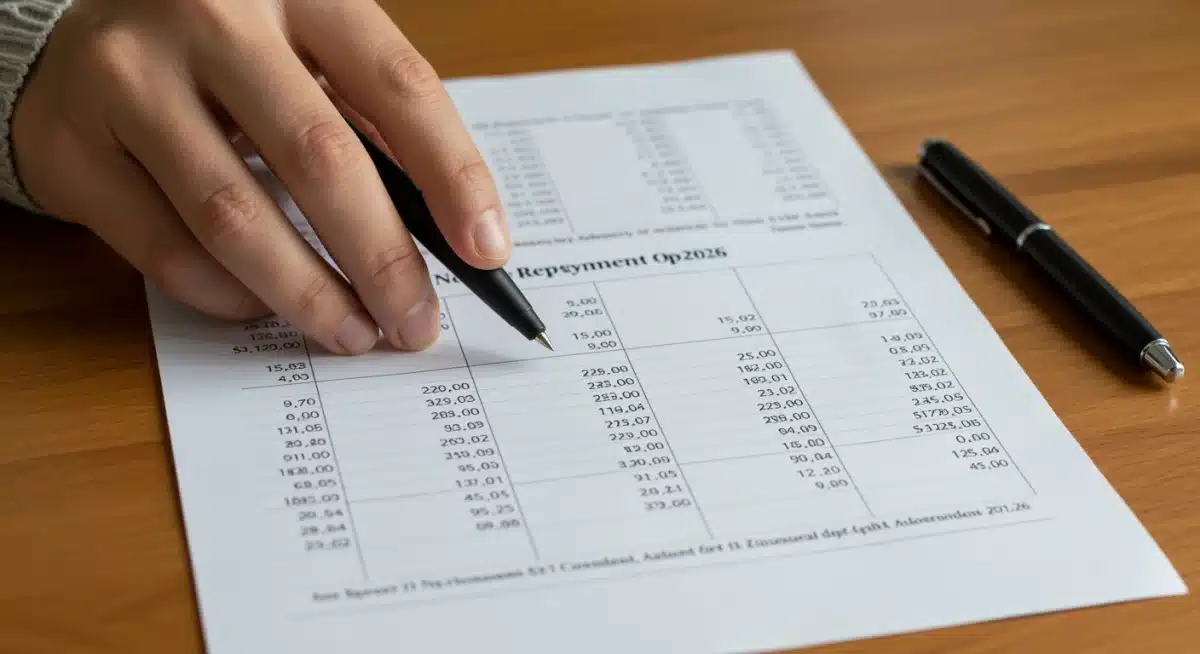
Evaluating income-driven repayment plans is a crucial step for many US graduates, especially with the impending 2026 changes. These plans adjust monthly payments based on a borrower’s income and family size, making repayment more affordable during periods of lower earnings.
Graduates should compare the new IDR options against their current financial situation and future earning potential. Understanding the nuances of each plan, including how interest accrues and the duration until forgiveness, is vital for making an informed decision.
It is important to remember that while IDR plans can lower monthly payments, they may also extend the repayment period, potentially leading to more interest paid over the life of the loan. However, the benefit of eventual forgiveness can outweigh this for some.
Exploring Loan Refinancing and Consolidation
Exploring loan refinancing and consolidation can offer significant advantages for graduates seeking to streamline their debt and potentially reduce interest rates. Refinancing typically involves taking out a new private loan to pay off existing federal or private loans, often at a lower interest rate.
Consolidation, on the other hand, combines multiple federal loans into a single Direct Consolidation Loan, simplifying payments and sometimes offering access to new repayment plans. However, consolidating federal loans can mean losing certain benefits, like specific IDR plans or forgiveness options, so careful consideration is necessary.
Before pursuing either option, graduates should weigh the potential benefits against any lost protections. Consulting with a financial advisor can help determine the best path forward based on individual circumstances and long-term financial goals.
Resources and Support for Borrowers
Navigating the complex world of student loans, especially with upcoming changes, can be daunting. Fortunately, numerous resources and support systems are available to assist borrowers in understanding their options and making informed decisions.
These resources range from official government websites and non-profit organizations to certified financial counselors. Utilizing these tools can provide clarity and personalized guidance, ensuring graduates are well-equipped to handle their debt responsibilities.
Proactive engagement with these support channels can prevent common pitfalls and help borrowers optimize their repayment strategies. It’s an investment in your financial future to seek out expert advice and reliable information.
Official Government Guidance and Websites
Official government guidance and websites serve as primary sources of accurate and up-to-date information regarding student loan policies. The U.S. Department of Education’s Federal Student Aid (FSA) website is an invaluable resource, providing details on all federal loan programs, repayment plans, and forgiveness options.
Graduates should regularly check these platforms for announcements about the student loan changes 2026, regulatory updates, and deadlines. These sites often feature tools and calculators to help borrowers estimate payments and explore different scenarios.
Relying on official sources helps avoid misinformation and ensures that decisions are based on verified facts. Bookmark these sites and subscribe to their newsletters for timely updates.
Non-Profit Organizations and Financial Advisors
Non-profit organizations dedicated to financial literacy and student debt relief offer impartial advice and support to borrowers. These organizations often provide free or low-cost counseling services, helping graduates understand their loan portfolio and repayment options.
Certified financial advisors specializing in student loans can offer personalized strategies tailored to individual financial situations. They can assist with complex decisions, such as whether to refinance, consolidate, or pursue specific forgiveness programs, considering the student loan changes 2026.
Engaging with these experts can provide a significant advantage, particularly for those with unique financial circumstances or extensive loan burdens. Their expertise can be instrumental in crafting a sustainable repayment plan.
The Impact of Economic Factors on Student Loans
Economic factors play a substantial role in the student loan landscape, influencing interest rates, job market conditions, and overall financial stability for graduates. Understanding these broader economic trends is crucial for contextualizing the student loan changes 2026 and planning effectively.
Inflation, interest rate hikes by the Federal Reserve, and employment rates all directly affect a borrower’s ability to repay their loans. A robust job market can make repayment easier, while economic downturns can exacerbate financial stress.
Furthermore, government fiscal policies and legislative actions can introduce new relief measures or modify existing ones. Staying aware of these economic currents is an integral part of proactive student loan management.

Inflation and Interest Rates
Inflation and interest rates significantly impact the real cost of student loans, especially for those with variable rates or considering refinancing. High inflation can erode the purchasing power of money, making fixed loan payments feel more burdensome, even if the nominal payment remains the same.
Federal Reserve interest rate decisions directly influence the rates offered on private student loans and, indirectly, on federal loan programs. An increase in rates can make refinancing less attractive or increase the cost of new private loans.
Graduates should monitor these economic indicators closely, as they can inform decisions about accelerating payments, locking in fixed rates, or exploring refinancing opportunities before potential rate hikes make them less favorable.
Job Market and Graduate Employment
The health of the job market and graduate employment rates are critical determinants of a borrower’s ability to manage student loan debt. A strong job market with high demand for skilled labor typically translates to better employment prospects and higher starting salaries for graduates, facilitating repayment.
Conversely, a weak job market can lead to underemployment or unemployment, making it challenging to meet monthly loan obligations. This underscores the importance of career planning and choosing fields with good employment outlooks.
Graduates should continuously assess their career trajectory and consider skills development to remain competitive. A stable income stream is the most fundamental practical solution for student loan changes 2026.
Preparing for the 2026 Deadline
The approaching 2026 deadline for student loan changes necessitates proactive and thorough preparation from US graduates. This involves more than just being aware of the changes; it requires concrete steps to adapt personal financial plans accordingly.
Early preparation can prevent last-minute stress and ensure a smoother transition to the new repayment environment. It’s about taking control of your financial future rather than reacting to circumstances.
This readiness extends to reviewing all existing loan documents, understanding the new terms, and making necessary adjustments to budgets and savings strategies. The goal is to be fully informed and strategically positioned.
Anticipating Future Student Loan Reforms
Anticipating future student loan reforms beyond 2026 is a prudent approach for any borrower, given the dynamic nature of educational finance policy. The current changes are likely part of a broader, ongoing effort to refine the system, meaning further adjustments could be introduced down the line.
This forward-looking perspective encourages graduates to maintain flexibility in their financial planning and stay engaged with political and economic discussions surrounding student debt. Policy debates often signal impending changes well in advance.
By remaining vigilant and adaptable, borrowers can position themselves to respond effectively to any new reforms, ensuring their long-term financial stability. It’s about understanding the current landscape and being ready for what’s next.
| Key Point | Brief Description |
|---|---|
| 2026 Policy Shifts | Major changes to IDR plans, forgiveness programs, and interest accrual are expected. |
| Repayment Strategies | Evaluate new IDR options, consider refinancing or consolidation carefully. |
| Available Resources | Utilize official government sites, non-profits, and financial advisors for guidance. |
| Economic Impact | Inflation, interest rates, and the job market significantly influence repayment ability. |
Frequently Asked Questions About 2026 Student Loan Changes
The key changes for 2026 primarily involve modifications to income-driven repayment (IDR) plans, including potentially lower discretionary income percentages for payment calculations. There are also expected enhancements to loan forgiveness program eligibility and simplified administrative processes for borrowers. These aim to make repayment more manageable for US graduates.
Your current repayment plan might be impacted depending on its type and your eligibility for new options. Federal loan borrowers on existing IDR plans may need to re-evaluate to see if newer plans offer better terms. It’s crucial to compare your current plan with the updated offerings to determine the most beneficial path forward for your financial situation.
Yes, proactive preparation is vital. Graduates should review their loan documents, understand their loan types, and assess their current financial situation. It’s advisable to visit the Federal Student Aid website, consult with a financial advisor, and explore how new IDR plans or refinancing options might benefit your specific circumstances before 2026.
There is an ongoing effort to simplify access to loan forgiveness programs, particularly PSLF, with clearer guidelines and improved payment tracking. While the intent is to make them more accessible, specific eligibility criteria will still apply. Graduates pursuing qualifying careers should monitor official announcements for streamlined application processes and expanded eligible employment types.
Economic factors like inflation, interest rates, and the job market significantly influence the student loan landscape. Higher interest rates can impact refinancing attractiveness, while a strong job market can ease repayment burdens. These factors often drive policy decisions and can affect the real value of your loan payments and your ability to manage debt effectively.
Looking Ahead: Navigating the Future of Student Debt
The 2026 student loan changes represent more than just a policy shift; they signify an evolving commitment to addressing student debt in the US. Graduates must view this period as an opportunity to reassess and optimize their financial strategies, ensuring long-term stability.
Staying informed about future legislative discussions and economic indicators will be crucial. The landscape of educational finance is dynamic, and continuous engagement with reliable sources is the best defense against unforeseen challenges.
Ultimately, successfully Navigating the 2026 Student Loan Landscape: Practical Solutions for US Graduates Facing Repayment Changes will depend on a combination of informed decision-making, proactive planning, and a willingness to adapt to ongoing reforms. Empowering yourself with knowledge is the most powerful tool.